
A Burial Service
Goats, grief, and strata

In a lot of ways, this morning was no different than the morning Curly Sue arrived at our farm– a still, humid April morning when the sticky shells of unfurling cottonwood buds dropped from their swaying twigs down to the sodden prairie edges, with chubby robins pecking in the spring mire, and the dirty splashback of last night’s storms staining the gilded blooms of dandelions. Our infrastructure, while improved in those thirteen years (has it been thirteen?) since, is still unfinished, and as the grass still grows, a trail of mucky shovels, rain-filled buckets, and half-completed projects punctuates the footpaths that sprawl from site to site across this soggy slope of Northeast Missouri scrubland we’ve been grazing all this time. But this morning is different, now that Curly Sue rests curled into the earth, her thinning hide and worn horns buried embracing the strata of a long dead ash stump.
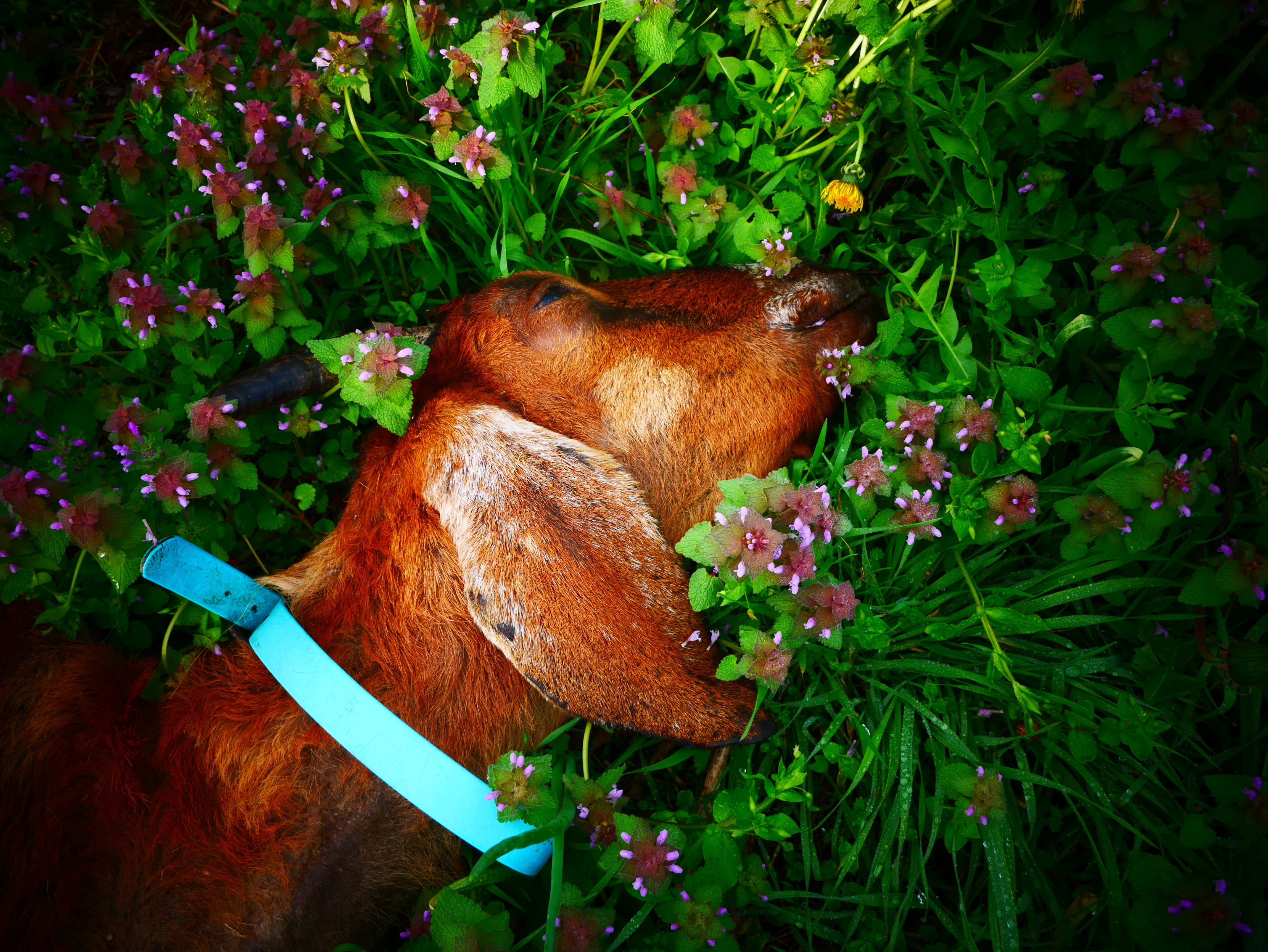
To be clear, Curly Sue was a goat —our very first, and a real goat’s goat, to boot. She struggled through her final breaths in the barn this morning, surrounded and slightly overtaken by prancing goat kids. It has been years since she’s had her own, years since I’ve tasted her milk, but she has remained as a nanny-in-retirement, often seen slowly ruminating with cracked horns, dozing in the sun, keeping a watchful eye, clouded by age, over the newest generation of dancing, playing kids.
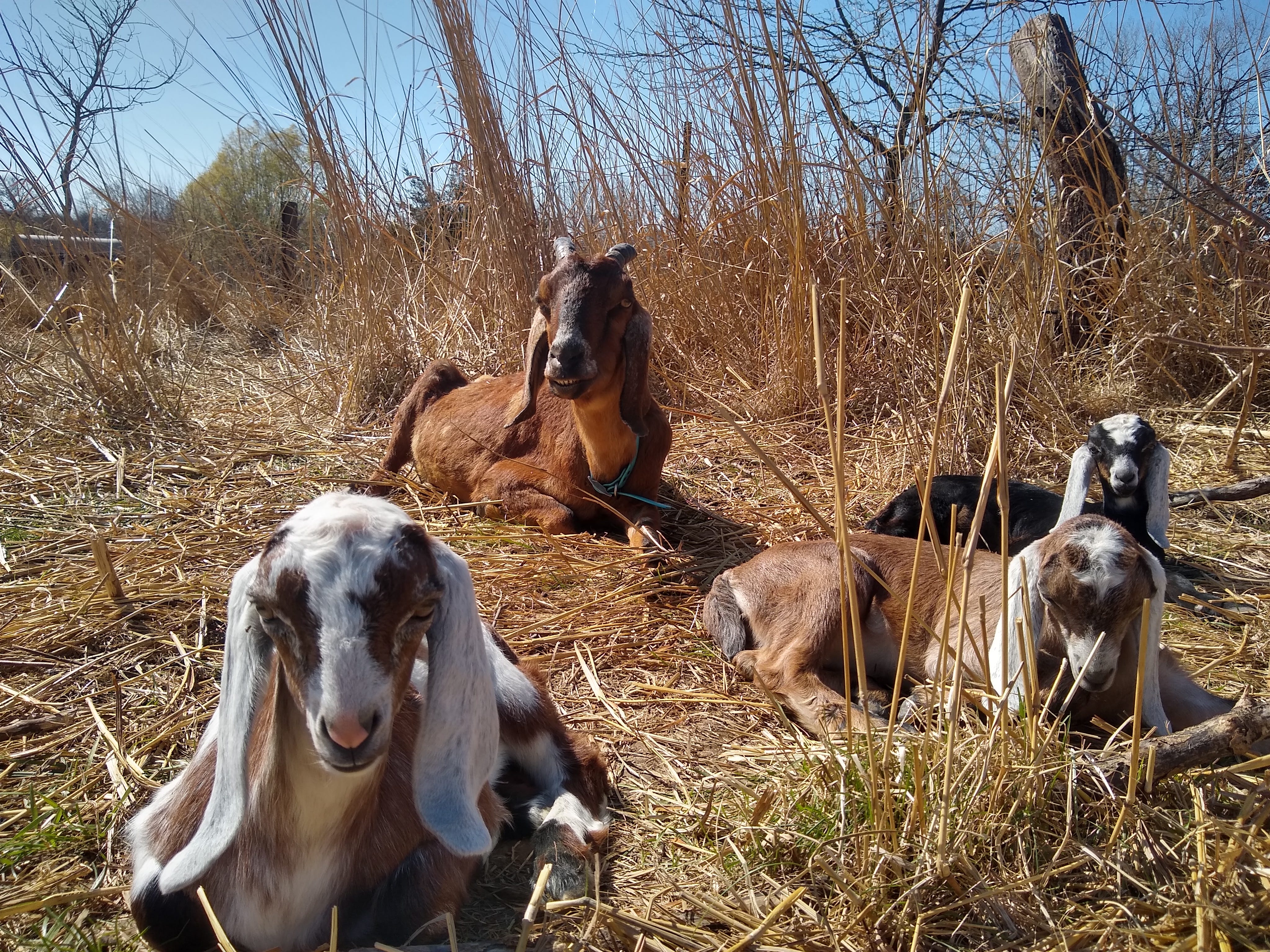
Curly Sue was quite old for a working goat, thin and frail from the passing years, but she was also very spoiled, and retained her pushiness until the end. Originally, we brought her here in a borrowed little shitbox Hyundai, and at the time I was just living in a homemade yurt. We didn’t properly have a barn then, so for the first night we kept her, alongside her daughter and niece, in a workable chicken coop, outlined with poorly set-up portable fencing. The next morning, a neighbor walked her back at six in the morning as I was just stretching and drinking morning coffee— Curly Sue was eating one of his apple trees. Right until the end, in spite of her lost teeth and weakening mouth, Curly Sue would take every opportunity to slink away during the bustle of milking chores to steal chicken feed. A goat’s goat.
Now, as the cottonwood catkins splay themselves open, only to be nipped by the unsettled spring wind and laid to wet earth, we do our best to tuck her stiffened legs to her breast, curling her thin neck round the ghost of rotting stumps, allowing her to further nurture this dirt as she did in life, near the haggard form of the pear tree she repeatedly stripped down to root-stock during some of her many surreptitious forays into orchards, gardens, and yards she didn’t belong in.
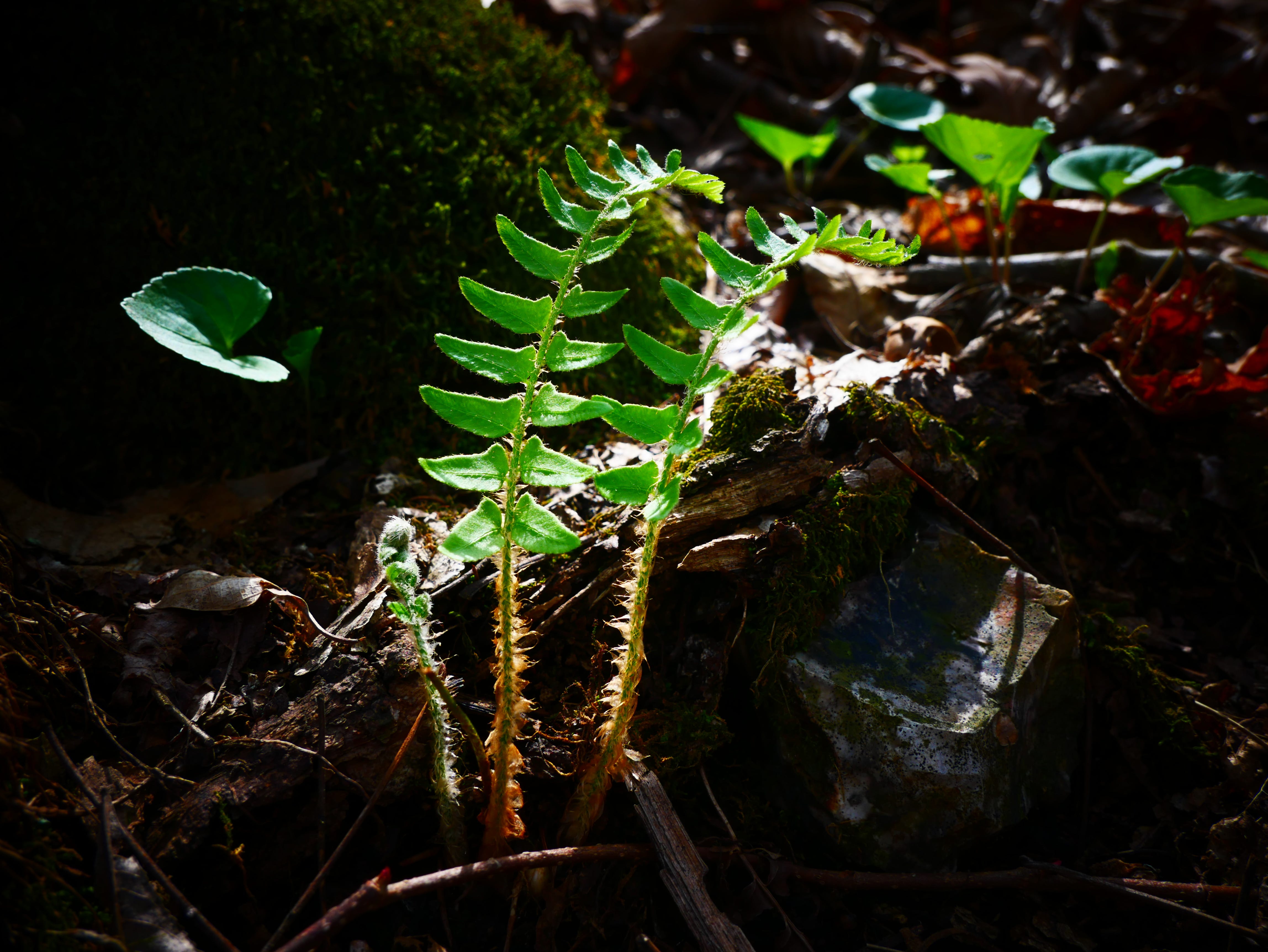
A lot of thoughts go through my head when I’m burying an animal, or a human for that matter, and I’ve buried my share. Where she now lays, Curly Sue is a short distance from our old dog Judy, our first working dog Xena, our sweet little Ragweed cat, and our original matriarch hen, Henny Penny –one of the most motherly, and meanest chickens I’ve ever had the honor of working with. In addition to all the animals I’ve purposely killed to eat, I have buried many before their time and some few, like Curly Sue, after having lived the longest and finest life we’re capable of providing. Chopping gnarled roots from her grave with an ax, thunking through mud and brittle wood, I consider the strata of dead animals I’ve midwifed back to the earth over these years, and the nagging voice in my head that sometimes echoes in there returns; I don’t want to do this anymore.
After the first season or so passes by, you cannot trust a farmer who hasn’t cried a little– particularly when it comes to livestock farming, but I can see weeping over plants from time to time as well. I don’t cry that much– I really don’t have the time for it, but every couple-few years that catches up with me, and I at least get a little misty-eyed. In my experience, there’s a necessary hardening period, at least for those of us who weren’t raised on farms. In 2015, (or was it 2016?) we lost three or four goats to injury, strangulation, and illness. I’ve lost pigs during farrowing, seen piglets accidentally get stomped open, and arrived at chicken pastures strewn with feathers and gore. I have put down ailing goats and pigs and only regretted not acting sooner, not responding to terminal pain appropriately. It is fine, and probably necessary, to grow a bit hard in this work— but it is never fine to grow indifferent or callous.
Sometimes, I don’t want to do this anymore, because I fear the indifference; I fear that the human heart can only beat compassionately up to a certain point of injury, and that it might cease after it becomes too scarred. But then, after Curly Sue is well below that fresh crest of turned dirt, that uncertain voice fades again, and as a grower of things, I’m already considering what to plant in the nourishing earth of this newest grave. I went with serviceberry.
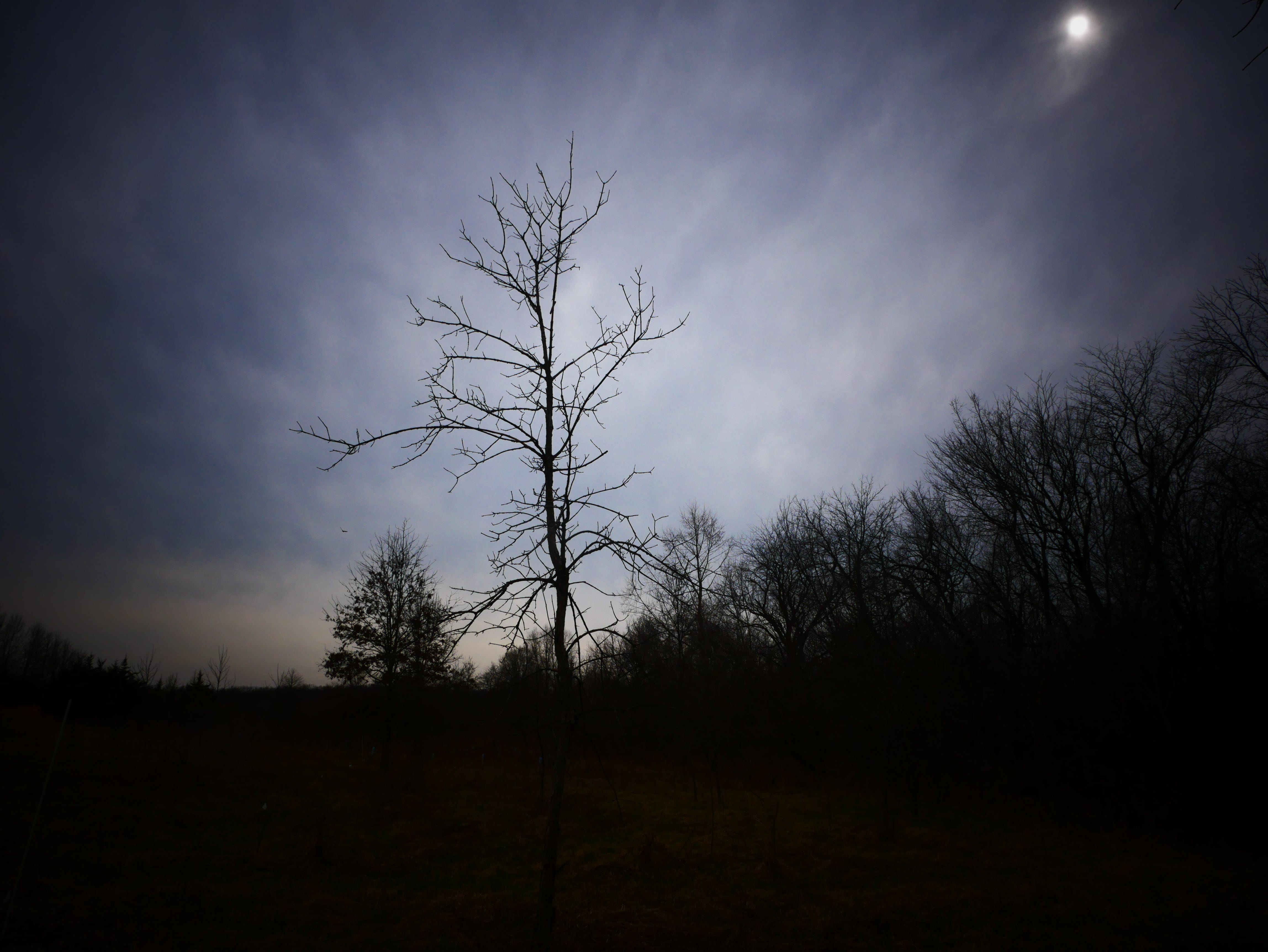
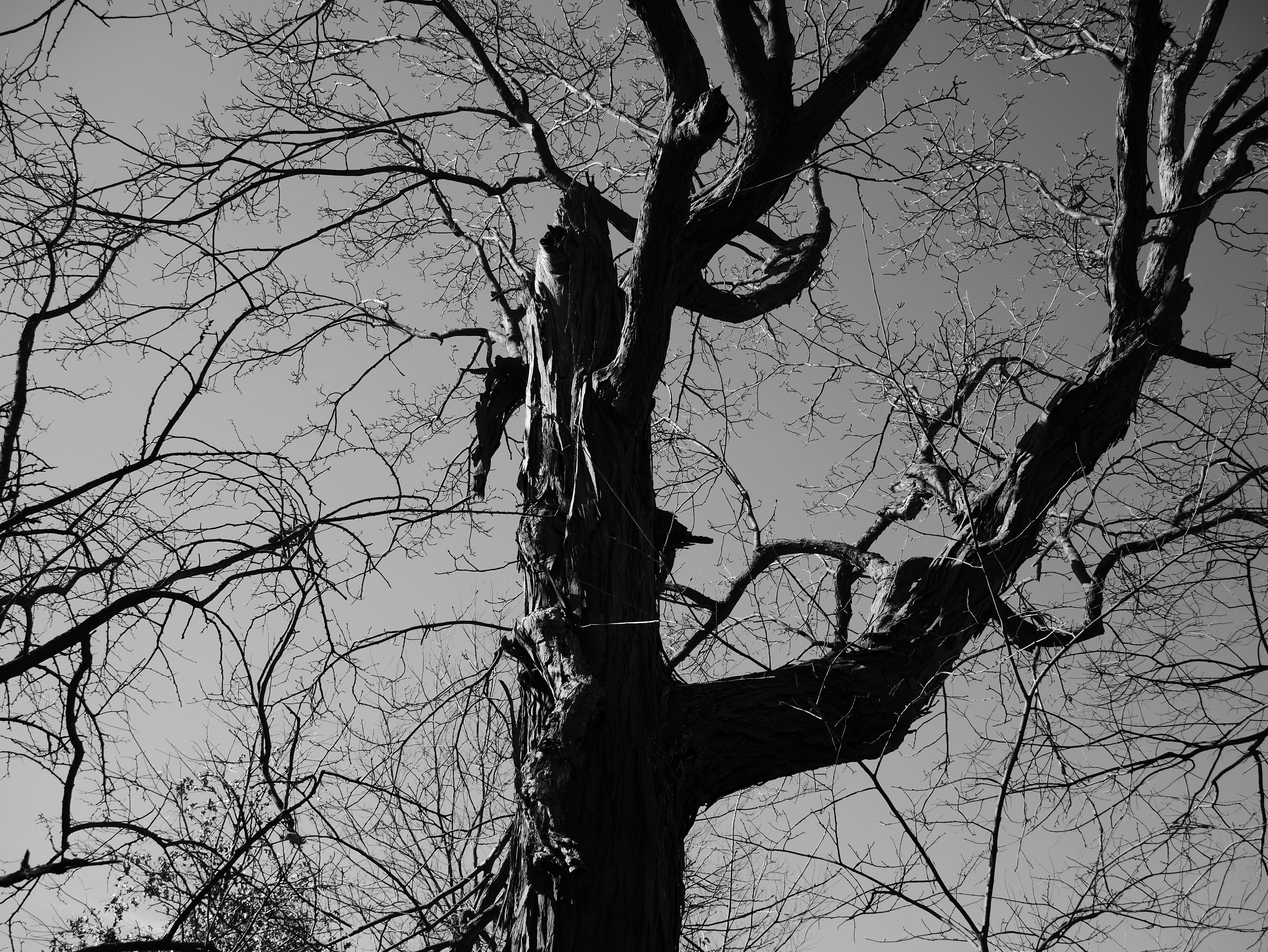
When I began to dig this grave, I’d forgotten about that tough old ash stump. It is the remains of an ailing tree that struggled through years of pest pressure from emerald ash borer, a deadly beetle introduced through commerce, as many ecological nightmares are. It tried to live for some years, throwing doomed shoots through the mud in vain, like all the other ash stumps lying brittle and silent down in the bottomlands. Finally, it died, and to put the ongoing loss of these trees out of my mind, I chopped at the rotting stump until its remaining portions laid well below the soil. While some cultures honor the dead with their continued physical presence —from sky burials to reliquaries– the culture I come from does its best to cover up the awkward and horrific state death leaves our bodies in.
The dozens of dead ash trees further down on this slope remain, many of their trunks cut for warmth, their limbs decaying slowly in the sodden grass, their stumps shrinking altars to their former status as forest sentinels and guardian trees spanning the expanse between open prairie and dense, riverine growth. I could not possibly hack them all out of sight– I can do it no more easily than I can lay to rest all the grief that comes with the gradual death of so many plants and animals and entire ecosystems. I don’t want to do this anymore, because I cannot possibly do it all, I cannot give each and every dying thing such a graceful transition to time and strata and microbes as I’ve done with these few beasts I’ve known.
Nestled into the soil, folded through the earth and roots, pressed against the decaying stump and its rock-hard heart, we have laid to rest a goat, and perhaps with that, a simpler time, when my grief was more manageable.
Of course, I’ve long considered nostalgia a disease, or at least a symptom of some wider cultural form of extreme mental anguish. The old days were hard too. Living in a hundred-square foot leaking tent full of rats stealing our food with nowhere to escape the elements, and death in every direction wasn’t so great, and neither were the constant welts and rashes and tick bites and occasional bouts of food poisoning or foul drinking water. I did this in 2013, as was approximate to our species’ living standards for most of our history, and many other folks continue to live in conditions like these or much worse throughout the world.
In hindsight, I think the thing that makes the old days seem so much better isn’t that I lived without major problems or considerable discomfort, but that the grief was much smaller. While I did have to bury the dead in those days, same as I do now, it always came with an understanding that it was just a part of the difficult work of building a better world. Now, I cannot dig a grave deep enough to offer service to the whole of the Holocene, as our planet teeters through final breaths. I cannot offer a graceful burial, cannot midwife death and decomposition into soil and hope with one half of the world in flames and the other half sinking beneath the rising seas. I can plant wildflowers and eulogize our dear matriarch goat, but I am incapable, both physically and in my heart, of doing the same for coral reefs and hummingbird bees and entire communities in Lebanon, or schoolgirls in Iran, or complete bloodlines in Palestine.
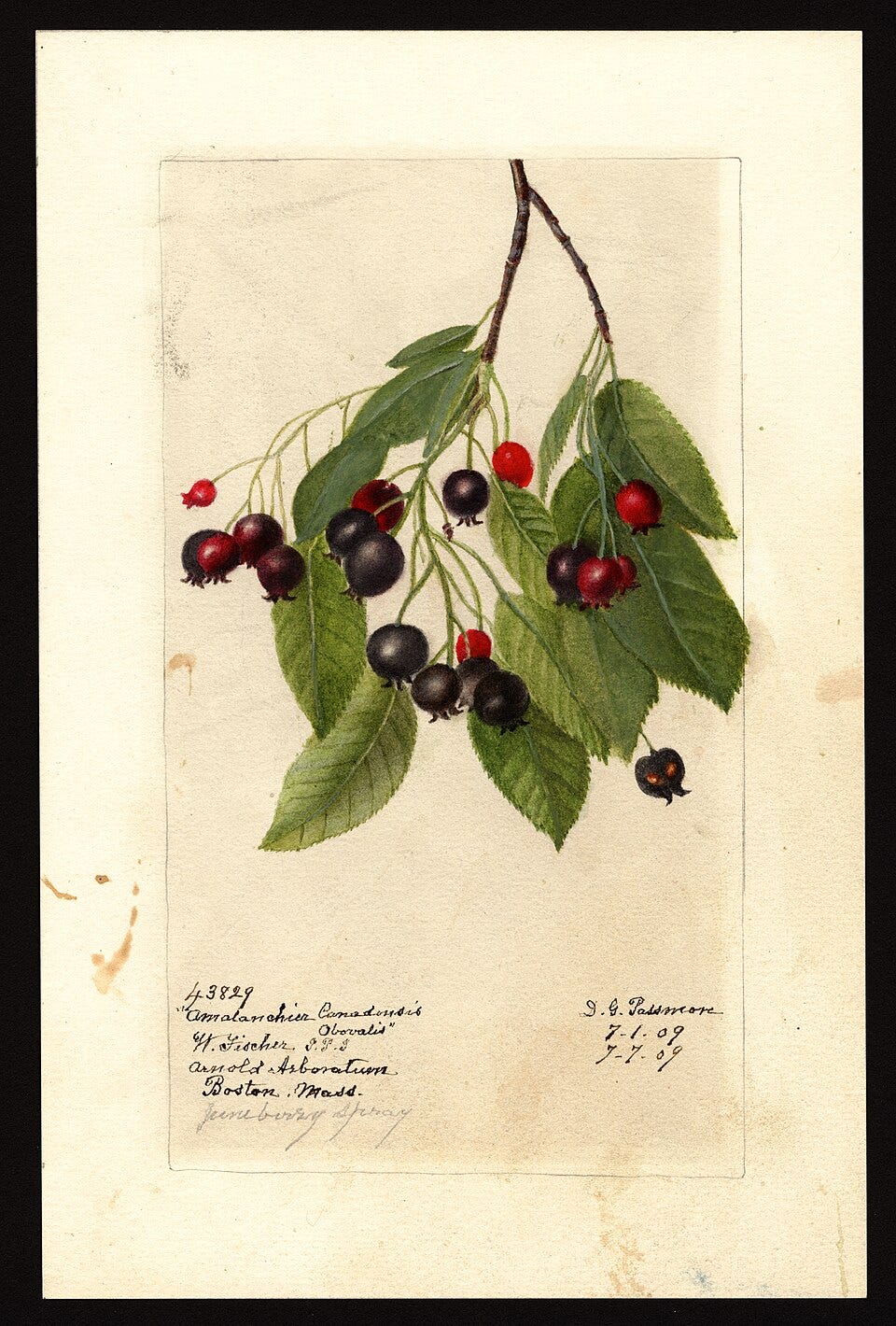
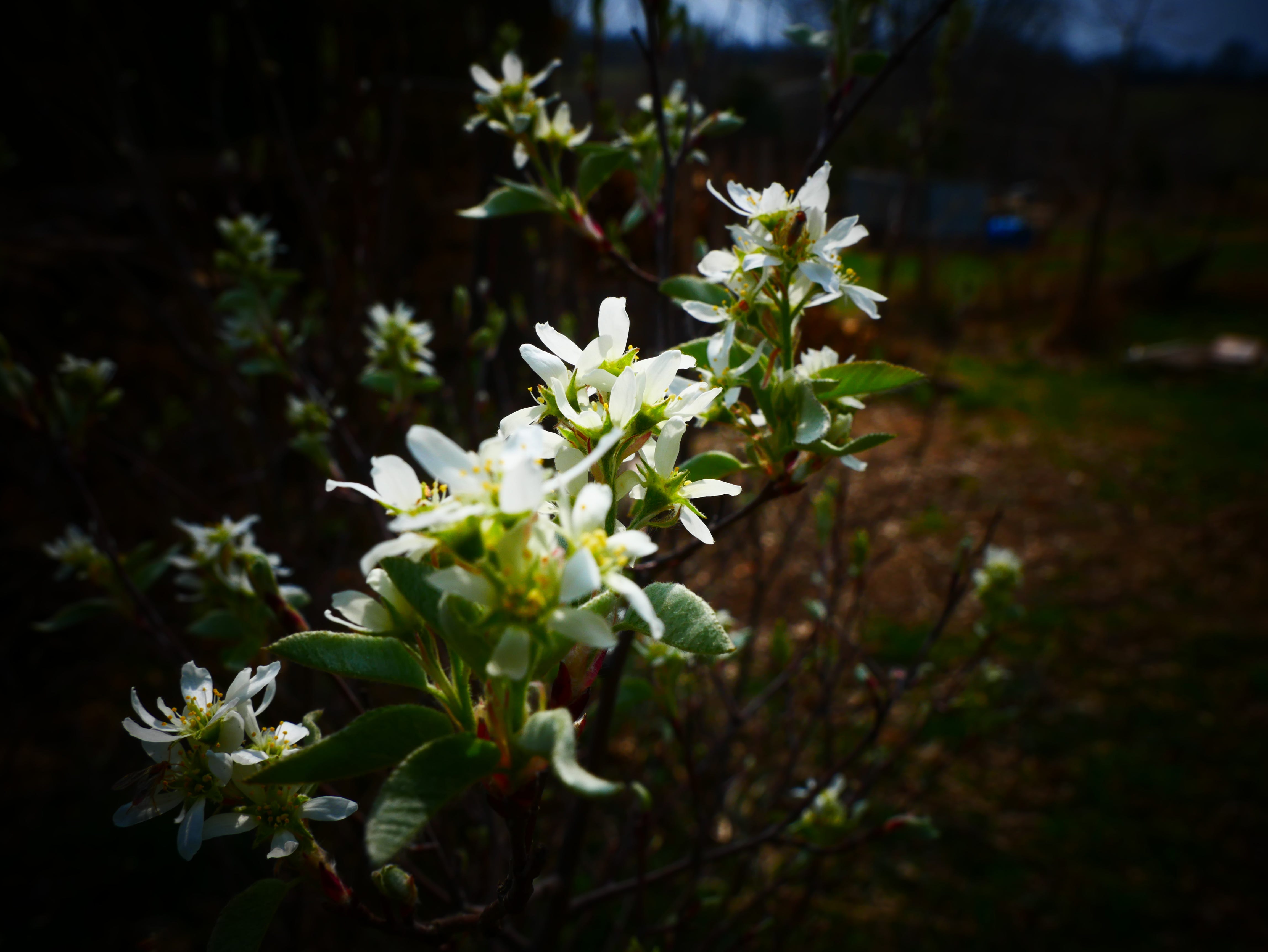
With the blank canvas of a freshly dug grave, I have decided to plant a pair of serviceberry plants over Curly Sue’s body. That I can do. Serviceberry (the genus Amelanchier) is a group of shrubs and trees native to the temperate Northern Hemisphere, particularly early-successional habitats. In addition to serviceberry, it is also known as sarvisberry, saskatoon or saskatoonberry, shadbush, shadblow, shadberry, and even chuckley pear. The etymology of Amelanchier’s common names is tangled– saskatoon is a derivation of the Cree term for the berry. Serviceberry and sarvisberry are linguistic corruptions of the genus Sorbus, or the old-world mountain ash trees, which apparently yielded a comparable enough fruit that early American settlers and colonists mistook Amenchelier, a relative of roses and apples, with Sorbus.
Of course, as with most folk etymology, serviceberry’s name has also become integrated into local lore and custom. While it is difficult to pinpoint the exact origins, it appears that in some parts of southern Appalachia, or perhaps further north in Newfoundland / Labrador, the early blooms of Amenchelier signified that time when the earth was thawed enough to bury the winter’s dead, who were sometimes kept in the cellar until they could be afforded a proper burial service. I did not know this when I planted serviceberries over Curly Sue, but I look forward to watching the blossoms burst in future springs so that I might consider my work and my grief a bit more deeply, if only for a fleeting week.
Watered in and protected from varmints, the serviceberries stand and wait for the sun’s return. The warm, still air gives way to a hot breeze, and at the peak of this soggy, scrubby slope, a dozen kid goats are frolicking and dancing upon the warm, muddy earth. Hummingbird bees have dried their wings and now hover down in the slowly greening draws and hollers, moving from bloom to bloom in the understory of redbud branches rekindled by another springtime. There is now a great roar of life, echoing up from the altars of ash stumps and the swiftly running creek— a cascade of chorus frogs and drumming woodpeckers and the subtle buzz of revived insect life, and all of it, soon enough will lie buried beneath my own layer of strata and the next.
The Fox Holler Almanac is a reader-supported publication— I couldn’t do it without you! Share or leave a comment if you liked it. Hell, leave a comment if you didn’t, though I might ignore it. And if you feel moved and able to materially support my work, upgrade your subscription or buy me a coffee.
Thanks, y’all.
As we mourn the living world, I can’t think of any pursuit more noble than growing and raising food (for humans and I think especially non-humans). I’ll keep crying for the dead and dying and trying to convince others to join in the pursuits of toil so we can spread the burden.
beautiful piece. thank you for this offering