
On Turnip Day
A Small Benediction for Repair

I have been pressed down in the deep ruts of summer, my spirit dried to a crisp, save for the few drops of rain that briefly fell between gaps in the drizzle-slick clay this morning. The weeks have been long, and punctuated with failure. This year’s crop of pinto beans has struggled through the harsh and unpredictable weather, threatening to give out within the week—they may provide me with enough seed to try again next year. The hazelnuts and chestnuts writhe with Japanese beetles who make quick work of their leaves, skeletonizing them to brittle chaff. None of this is new—I seem to sign up for it every year. While there’s a part of me that farms like my life depends on it, I always know I can get by on some affordable bulk goods. This year could be different. I value thrift, and have long thrived on the vulnerable edge of impoverishment, eating well in spite of my economic status, but the world is more expensive to participate in, as systems and whole economies sputter out in this dawning age of scarcity. Except turnip seed. The price of turnip seed has stayed constant.
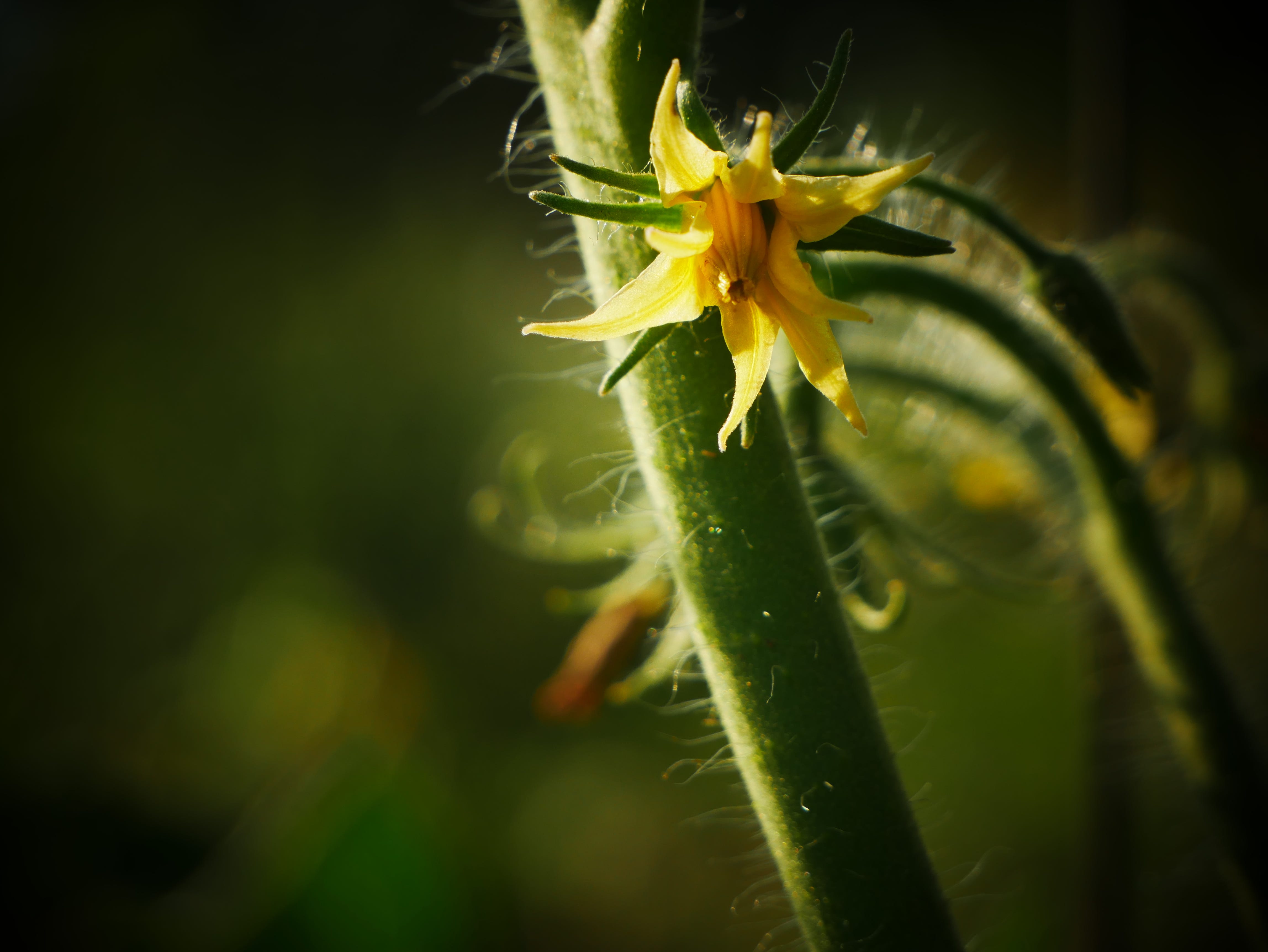
It’s drizzling a bit, and my left eye is swollen shut from a wasp sting, and I am sowing turnip seed into this year’s half-failed garden. While the tomatoes are resplendent, tall and mostly unblemished, and the cowpeas have laced their vines up and along the teetering sunflower stalks and sagging wire garden-fence, there are also spreading clumps of Johnson grass creeping in around the edges and conspicuous blank spaces where the okra sprouts have been taken by slugs. A slight gap in the hand-made gate allows entrance to a young, frightened cottontail, who, every so often, anxiously hops and twitches her way through the sweet potato greens, nibbling and dashing around.
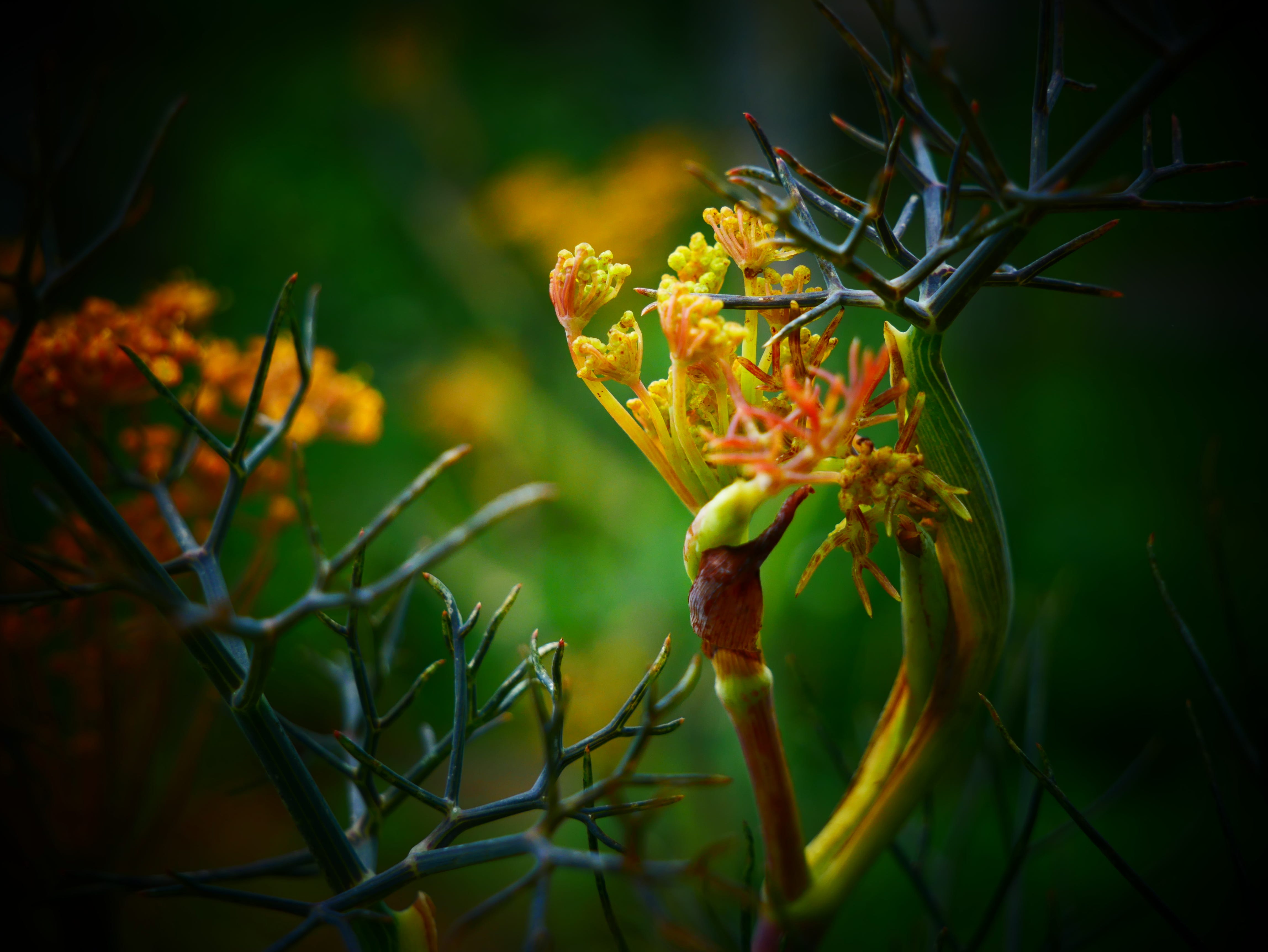
July 25th is “Turnip Day” here in Missouri. There’s an old adage about planting turnips here that goes: “On the 25th of July, sow your turnips, wet or dry”. Some sources claim Turnip Day is the 26th, but who can tell. It’s a simple, mnemonic rhyme, helpful for reminding gardeners to sow their fall crops at a time of year which can be so overwhelming that they might otherwise forget. On (or around) Turnip Day, I also plant my daikon radish, and any other autumn brassicas, if I’m not too defeated by the past four months of gardening to give a damn.
Harry Truman, the only US president Missouri ever produced, and the only one to drop an atomic weapon (yet), made a big deal of Turnip Day in 1948. That year, he convened a special congressional “Turnip Day Session”, using a little-used executive branch power to force all the lawmakers, who were on one of their vacations, to actually sit down and pass legislation. The session lasted about a week, and nothing was accomplished, besides forcing legislators into a sweaty room to argue for a while. As for Turnip Day 2026, Congress is not in session, but was about a week back when the brimstone air of Canadian wildfire spread as far south as Washington DC. As serious an issue as that might seem to you or I, it appears they didn’t notice.
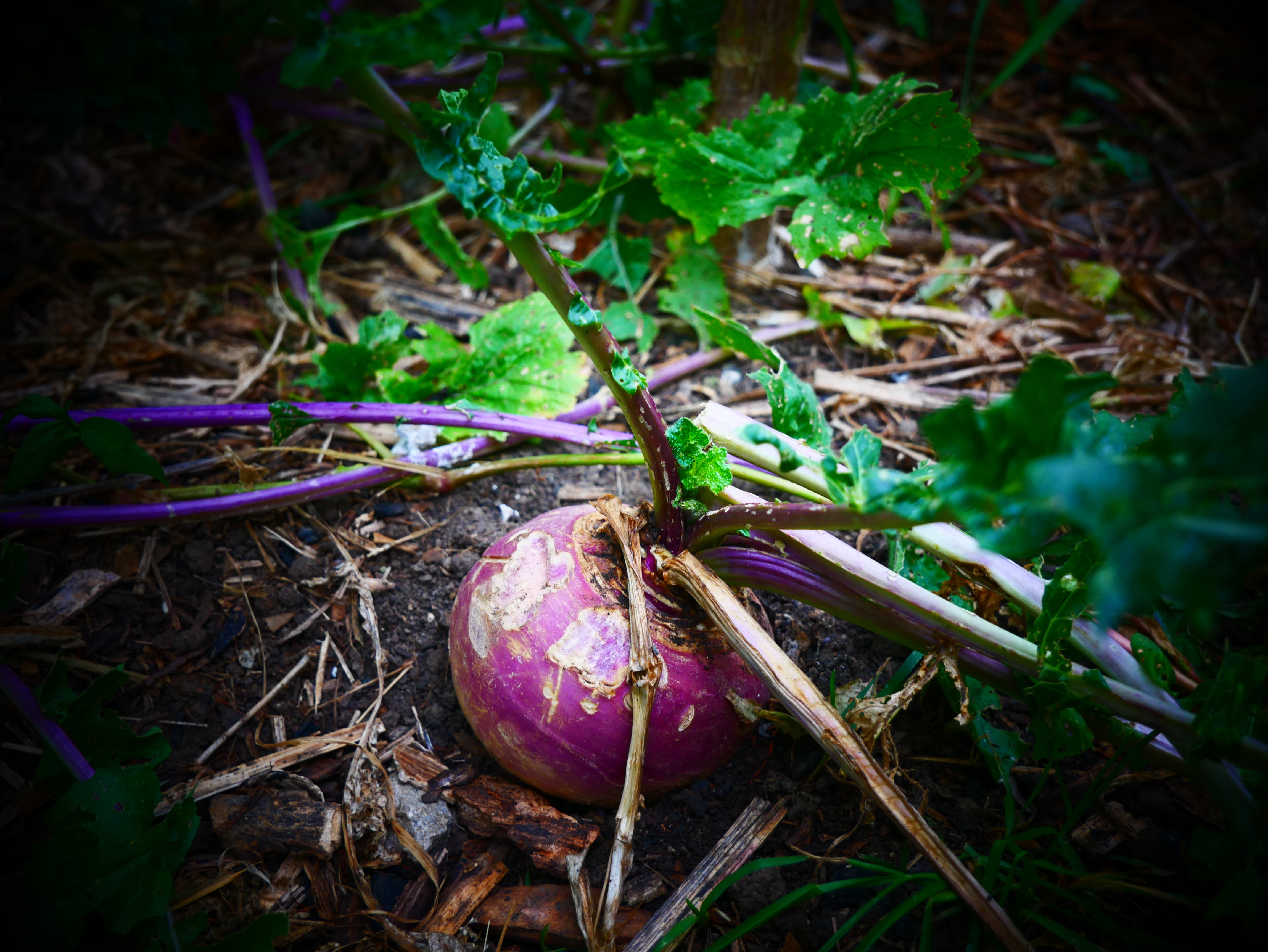
For myself, Turnip Day is more or less a renewal of commitment to growing food and generally surviving. The lowly turnip is a perfect plant for these modest objectives. The seed is affordable, and I buy it in bulk from our local, Mennonite feed-mill, which sells it as a forage and deer-plot crop. It isn’t fussy— I just loosely rake it into wherever there’s space. I plant it in my failed garden beds, or in bare areas of our pasture and barn yards that have been over-grazed or otherwise disturbed. If the other crops you were relying on for the year have done poorly or failed altogether, there’s always turnips. They can keep in the ground well into early winter, and after then, I just store the ones we want to eat out under a pile of straw. Anything that doesn’t get harvested for human use can be grazed or left to rot and aerate the soil.
Now to be clear, I doubt that turnips are anybody’s favorite vegetable, but if you don’t want to starve, they’re fine. We’ve shredded them and fermented them as a sauerkraut, and used them to make fritters. Roasted or stewed in something that tastes good, they tend to mellow out and absorb the rich flavor of stocks and fats. They are perfectly useful, easy-to-grow nutrition. Beyond that, I don’t have much of anything too profound to say about turnips—other than they might increase your chance of survival in case of any type of “long emergency”, and that doesn’t seem impossible anymore, even in this country.
The question of course, is why I’d recommit to growing food or surviving? I suppose if I knew the answer to that, then I’d have something profound to say. Out on the gravel road, a sparrow is slaying a cicada that twitches and flails with panicked buzzing. Further along the horizon, in the vast expanse of harvested hayfield, turkey buzzards circle over dead snakes, sliced out of their homes by sickle-bar mowers. The birds understand as much about their own activities and motivations as I understand turnip planting.
One of the nice things about planting turnips, or hunting a cicada, or eating a dead snake, is that it requires little or no actual optimism. As limited in its power as it is, the instinctual act of provisioning food does more than being in Congress, much of the time. As humans or buzzards or microbes for that matter, we all have a key role to play in the larger trophic cycles of consumption, growth, death and decay. There are roadkill raccoons doing more for healthy soils than any lawmaker, and common weeds doing more to repair our degraded environment.
While on certain days I can hardly see the point, particularly while chasing baby bunnies around with only one of my eyes working, my instinct to take part in the larger loop of energy and resources and grow things that I may or may not consume—my instinct to survive—is usually enough to keep me at the task. Raking fine black turnip seeds between sparse pepper plantings and stunted squash plants, I’m at least content that I’ve done what I understand to be doable.
On certain days, if I’m being honest, I discount the role humans play in an ecosystem. Certainly we affect our biotic surroundings, often for the worst, but if we shuffled off the edge of the planet tomorrow, a new balance in the order of remaining life would eventually come to exist. But that’s only on certain days.
On Turnip Day, whether or not my mind knows it, my body understands there is much in this world for me to repair. I just show up because I remember the rhyme, and mark it on my calendar. For all our faults as a species, humans are blessed with the unique ability to make judgements about our own actions, and rectify them. Some humans, at least. For the world’s foremost apex predator, we are often the weakest link in what should be a complete chain of reciprocal, ecological interaction. I suppose I’m fine to not survive and comfortable with dying, but I’ll be damned if it happens before I get the opportunity to fix shit.
Survival is ultimately a mutualized struggle. Today that might look like planting turnips by myself, but in the long run, it’s going to take a lot more than that—more care, more repair, more cooperation, and more interdependence. Turnips alone won’t save us. They probably won’t even save me. We’re going to have to do bigger things, together. Bigger, and more radical things. But today is Turnip Day, so that’s where I’m starting—by offering a simple benediction via dissemination.
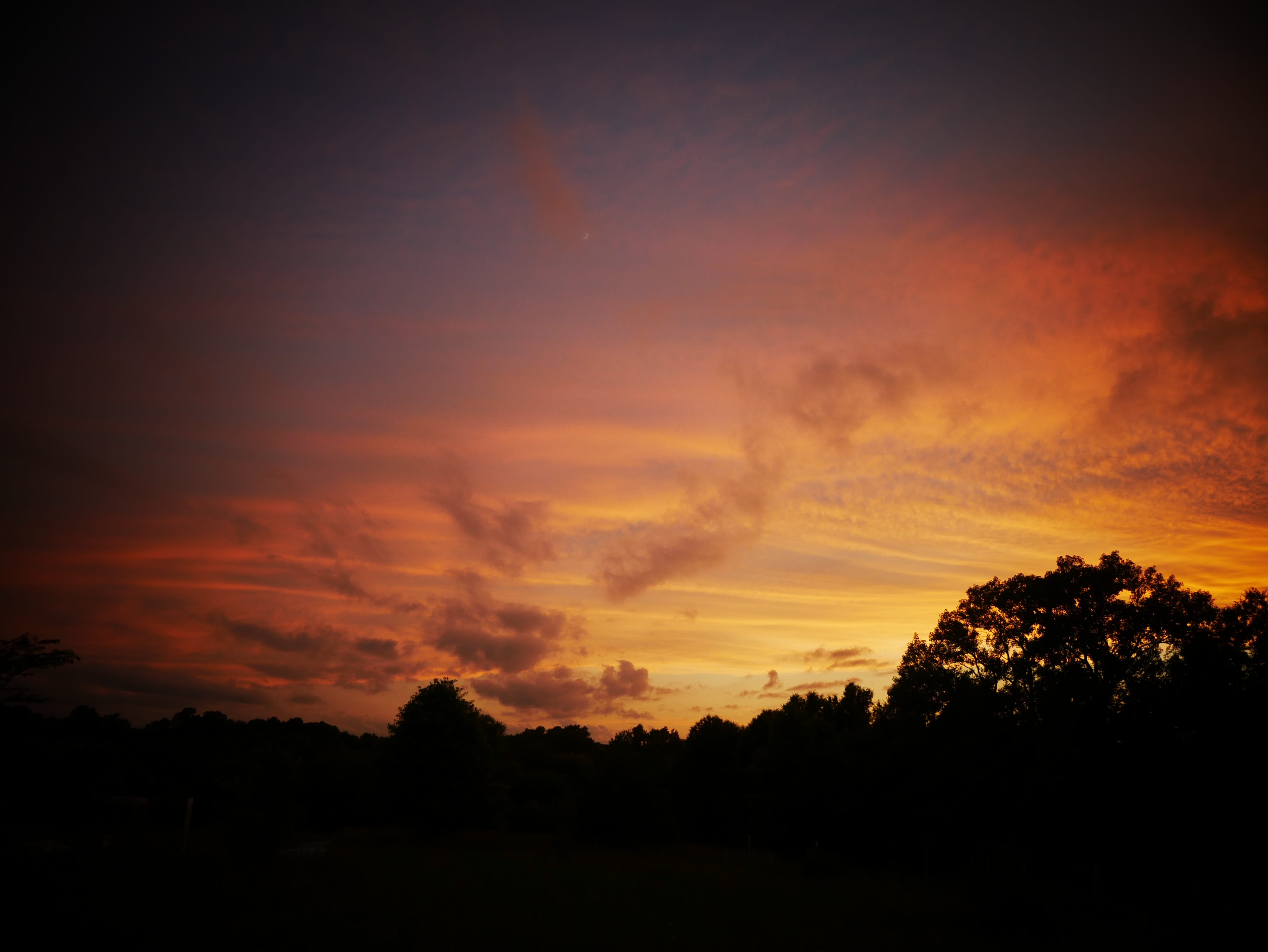
I’m not miserly with the turnip seeds. They’re cheap enough that I can scatter them thoughtlessly. They spill through my fingers while I pace along the dry mud of the winter cow loafing yard, taking a step and tossing a palmful into the oblivion of disturbed earth. I sprinkle them liberally down along the lanes of old goat paddocks where our herd has rubbed the soil bare, or beneath the freshly opened canopies where we’ve cut out thickets of autumn olive. I head over the crown of this tired clay slope, out to the slowly growing grove of trees my neighbors and I have planted, their roots struggling to hang on in an uncertain future, and I slip the remaining turnip seed down into the cracks of dry, splitting earth. May these seeds sprout and grow thick and break the compacted hardpan of soil formed by two centuries of agricultural abuse and extraction. May their greens feed the poultry and the cows and the deer, and their rotting, winter-killed roots make homes for insects and fungi and microbes alike. And may we be at least half as good at fixing the world we’ve broken as a handful of cheap seeds tossed into the dirt.
I would be unable to create this work without the material support of readers like y’all! If this essay connected with you in a meaningful way, consider upgrading your subscription, or express your gratitude with a one-time tip. Thanks for reading!