
The Great Replanting 2.5: The Burden of Abundance
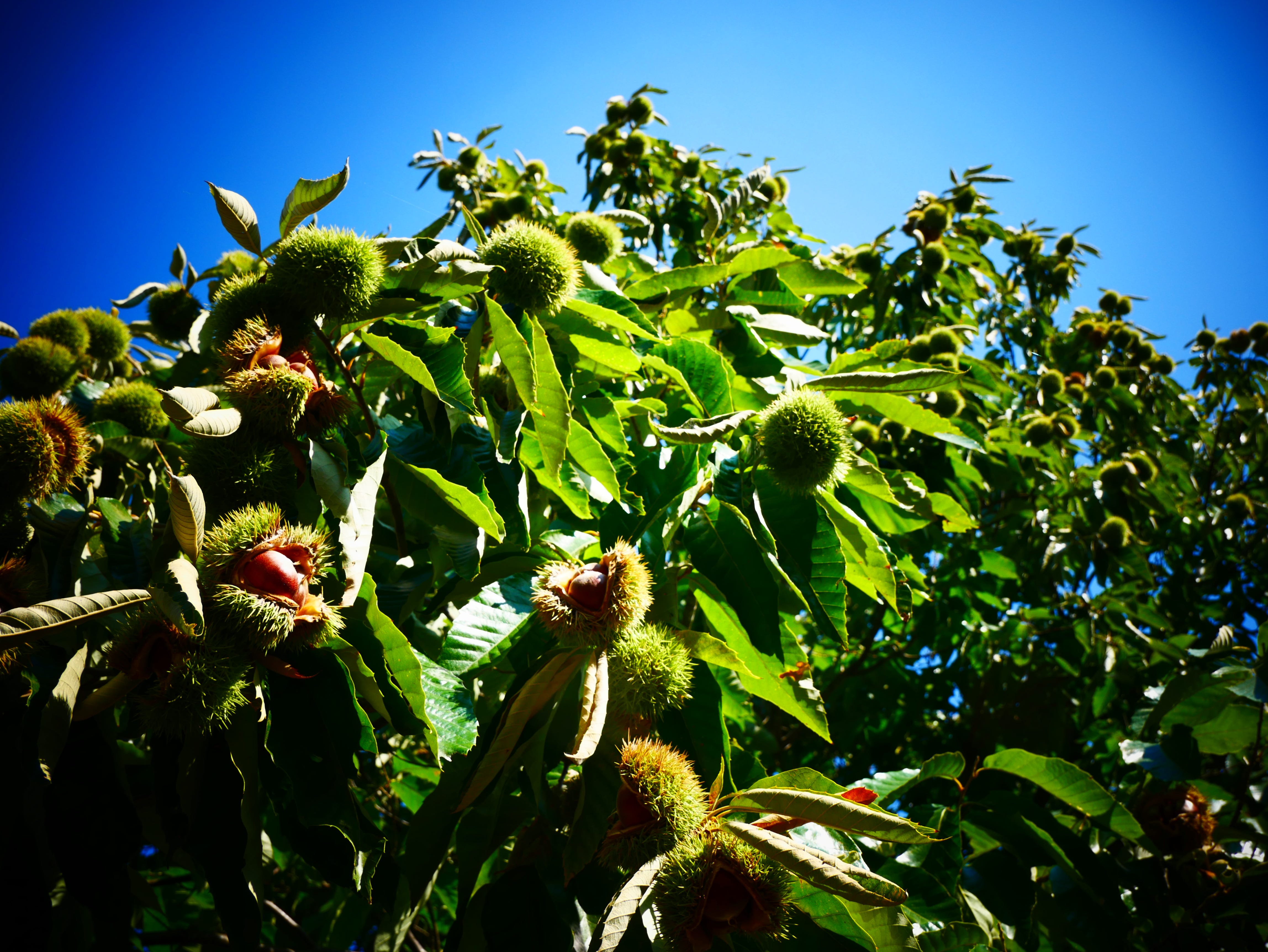
...or what the #$%! are we going to do with all these chestnuts?

Dear reader:
I guess I had to say something. A brief inventory of my personal assets does not reveal evidence of an abundant understanding of financial investment; just some good dirt, sweet cows, and a handful of shovels ranging from good to great condition suffice as my primary capital investments. Needless to say, the following is not financial advice, and asking me for that would be like asking an investment firm about the best time to plant turnips– and maybe that’s the point I’m trying to make here.
The following essay might fit in somewhere as part of a series on tree-crop adoption I’ve been writing for awhile now, which is moving along at the same pace that a tree grows: slowly. I tried my best to approach the subject matter with a high degree of nuance, and even assume good intent among those folks who are throwing lots of cash at regenerative food systems, but alas, decided this piece is —at best— a rant, and ought to be paywalled as such. And in it, I will argue that if we’re not careful, all the money in farming is going to end up being in paywalled content rather than food.
Apologies to all those in the cheap seats, but please enjoy the previous essays in this series, freely available for the public good:

The Great Replanting II: Aesthetic Considerations

Hey y’all! The following piece is the next part of a continuing series on agroforestry adoption that I’ve had in my head for awhile. If you didn’t read part one, it might benefit your enjoyment of part two to do so. You might also brush up on your Osage orange knowledge
Look folks, nothing may be more concerning than the concept of “market optimism”. When people are ready to throw lots of money at something is often the moment preceding when that thing will break. Name your bubble— anytime shit goes sideways on the economy, it begins with someone else’s money games. The 2008 financial crisis, otherwise known as the death throes of the American dream, didn’t arrive out of thin air; it was directed at vulnerable people by predatory institutions. And the same story may well hold true, albeit on a different scale, in the world of tree crops, if we aren’t careful.
