
The Season of Pain and Vines
Fear, control, and the value of a decent pair of loppers

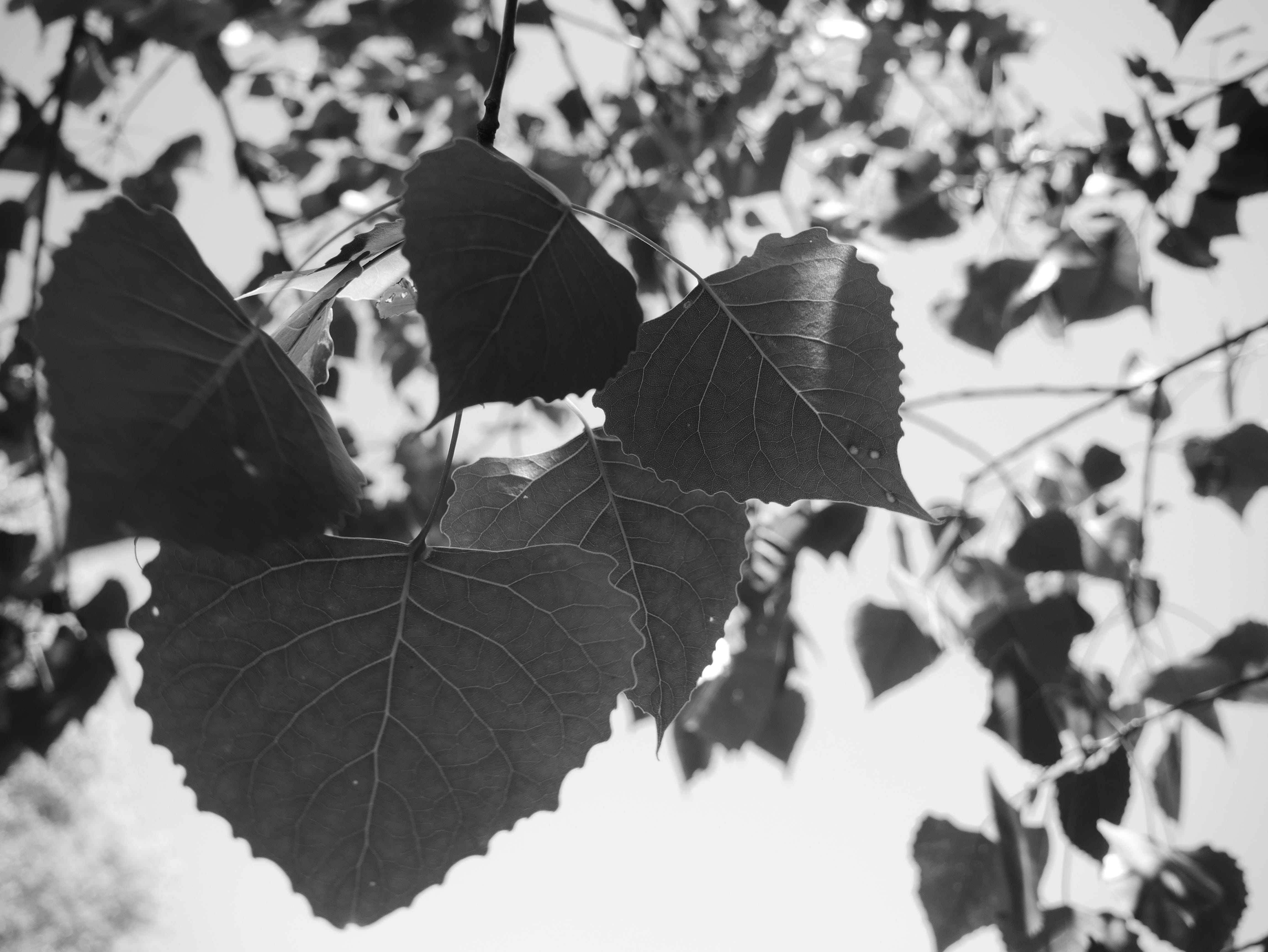
For the first time in months, I can hear the swish of green, living leaves as a sharpened North wind rattles the branches of flickering cottonwoods, resplendent maples, and blooming oaks. Day by day, as the canopy further unfurls, that tired old winter view of open sky and leafless limbs is blotted out by a deepening pall of photosynthetic surface. The soil is warming, the sun rides a wider and wider horizon, and every plant in Northeast Missouri is stretching out to absorb sweet sunlight. Fragrant spring air lies trapped in pockets down below the expanding canopy– saccharine and heady with black locust blossom. The trees bear many birds and birdnests, more than have been present the entire winter, but in the concealment of new growth, all I can see is flicking tails and flashing movement, the birdsong dissolving in the cacophony of slapping leaves and distant tillage.
The grass, too, is stretching and thickening– lapping at the edge of footpaths, growing tangled in the fading wire of old fencelines, an expansive, photosynthetic flood. Grapevine tendrils slink along damp ditches and sharp, young bramble shoots arch into the open spaces. Rolls of fence, hoses, and small collections of detritus and half-finished projects vanish overnight in the racing vegetation, drowning in the embrace of chlorophyll and cellulose. The world which came before lies buried in a verdant grave. While those first early blossoms and budbreaks offer a sort of rejuvenating feeling, the onslaught of photosynthesis can lead me down the tangled path of overwhelm and claustrophobia.
The earliest white “explorers” of this part of the continent often expressed fear at the unrestrained growth of this vegetation. Unlike the thoroughly horse-trod and cobbled ground of high-density Old World European landscapes and their colonial outpost counterparts, the interior of North America was seen as a vast waste of head high grass known to swallow whole herds of cattle —and sometimes men themselves. While the original inhabitants of the area made judicious use of their material environment to adequately maintain their way of life and manipulated their surroundings through burning, harvesting, and agriculture, the vastness and density of seemingly wild vegetation led men towards fear. And when men fear, they tend towards domination, extraction, and control. I know this. As a farmer, I often experience control masking uncertainty masking fear— typically when weeding the garden.
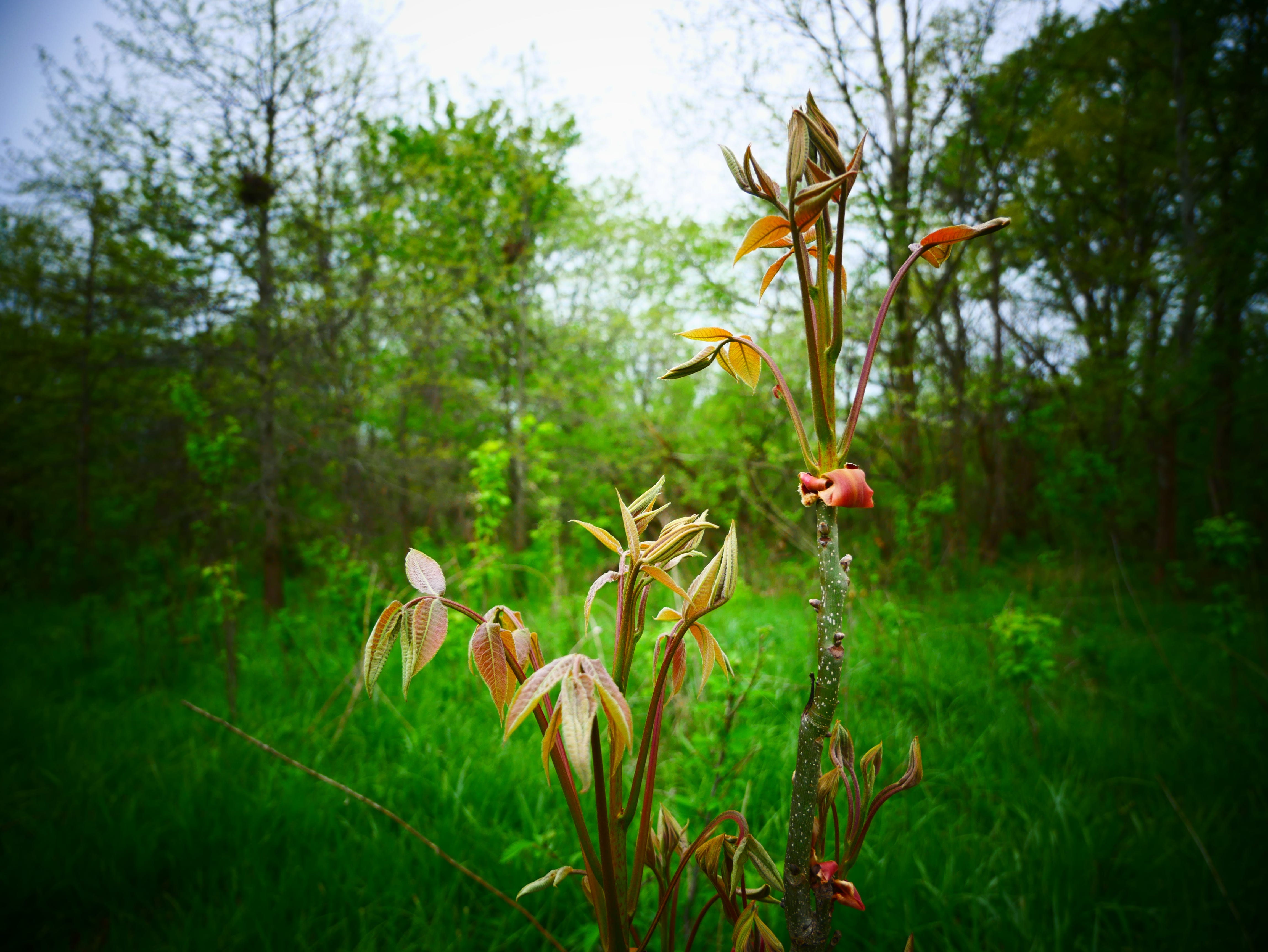
With so many of us removed from a natural landscape, the human psyche often craves exposure to what’s ‘real’; things like plants, animals, dirt and weather. But in the highly competitive race for solar gain and trophic cycling, it isn’t all bluebirds and pretty scenery. Waist-high stands of poison ivy awaken, glossy with oils and marked with the bloody tone of rebirth, filling woodland understories. Ticks crawl into tender, private places, the worst of which is probably the belly button. The thorns of windfall locust twigs lie concealed in the racing prairie grass, and murderous garottes of bindweed choke the young seedling plants near the garden edge. With the skeletal clarity of dormant landscapes behind us, we enter into a season of pain and vines.
In my youth, I was more cavalier about these conditions, but a decade and a half of natural landscape exposure has removed earlier daring-do. No longer do I spend time in the woods wearing shorts, no matter the temperature. In fact, from June onward, I avoid the woods altogether, if possible. If I’m doing field work I wear boots, no matter what. I imagine there’s a cross-section of my readership who prefers barefoot walking— that might work where you’re at, but not in Northeast Missouri. If these glaciated till plains exhibit a consciousness, it clearly doesn’t care for human intrusion. There is a delicate balance here to protect, and this landscape will do its best to extract blood from those who would seek to manipulate it, drop for drop.
To derive an agricultural livelihood in this landscape requires one of two things: wholesale ecosystem upheaval aided by soil destruction and industrial chemistry, or just a nice pair of loppers. Hear me out on this one…
Tiger salamanders and ground-nesting birds and largely unknowable communities of soil biology cannot negotiate with a plow, nor can prairie orchids plead their case before an herbicide sprayer. When human beings are frightened of the landscape they are often so motivated to control, they usually climb into the cab of a rumbling, clanking machine, if only to drown out the sights and sounds of all the life they are about to end. Not unlike a stable atmosphere and climate, maintaining biodiversity is an indisputable requirement for long-term survival of our species. Eliminating biodiversity either by force or through the successive rippling of environmental tipping points brought on by human activities is, in economic terms, pulling from our collective retirement account to produce a commodity that gets less profitable every year. Mainstream agriculture is a bit like plundering long-term “natural capital” (not a fan of the term, but it works) for short-term returns that, by all indications, don’t really seem to be returns at all. But, of course, this is all abstracted by agronomic bailouts, immediate debt cycles that many American farmers are trapped inside of, and perhaps most importantly, not having our damned feet on the physical ground when we seek to control landscapes.
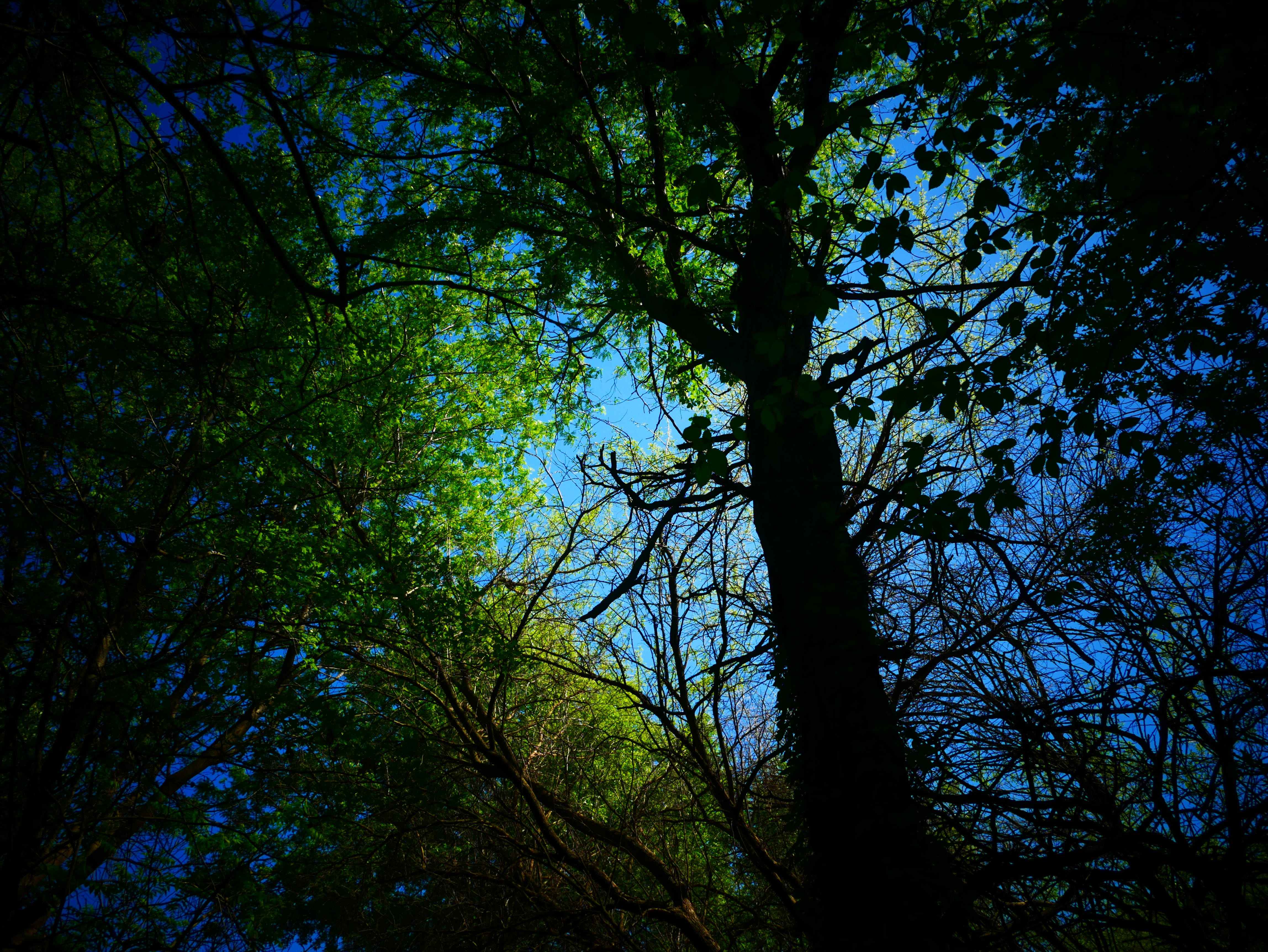
With a pair of loppers I can begin a good-faith negotiation with our landscape. If I’m walking somewhere and my hands are free, I take them with me. If I don’t like the way the brambles are touching up on me, I cut them down, but I don’t set out to cut them down all at once— only the main offenders. If sapling trees are encroaching into a space intended for grasses and forbs, I snip them to the base. If the problem tree is stronger than my loppers can manage, then it is likely large enough to provide bird or bat habitat, so I pause my intervention for the time being, and reconsider cutting it until the dormant season, when my view of the branches is clear, and the habitat is likely unoccupied.
If I am making an excursion onto new ground, either for tree planting or pasturing, I do not fire up the brush-hog first thing, but take my scythe with me instead, trimming just enough grass —and slowly— to get a lay of the land. I can hear the meadowlarks rustling in the thatch, watch the snakes slide through the thick forbs, see native bees clustered on the subtle blooms of early wildflowers that would be invisible from a rumbling tractor cab and stumble face-to-face with hummingbird nests knit between the thin stems of another “marginal” American elm sapling.
Change happens slowly, so that I can know what the place I’m trying to manipulate actually is. Before shedding any blood, I give a bit of my own. It isn’t efficient in the immediate timeframe, but I tend to think this approach might “pay off” in the long-term, by bridging the increasing need for full-spectrum nutrition for my local community with the long-term health of this planet. In this culture, our relationship with land is transactional, to a degree. I’d prefer for those transactions to be fair and honest.
Over years, I have been able to use my scythe and loppers and ax to gradually shift a small portion of the landscape. Without running over birdnests or slicing down underrepresented prairie plants, I’ve gently made room for livestock, tree crops, and gardens which can feed people more completely than many of the other agricultural land-use systems in the Midwest. As these areas undergo gradual shifts, some of the wildlife naturally moves away from the frequent human interruptions, but does not outright die beneath tractor treads. This is what we’ve negotiated. If some degree of “mechanical efficiency” is required for the long-term viability of these crops, I can build up to it gradually, and steward nearby landscapes to meet the continued need for biodiversity.
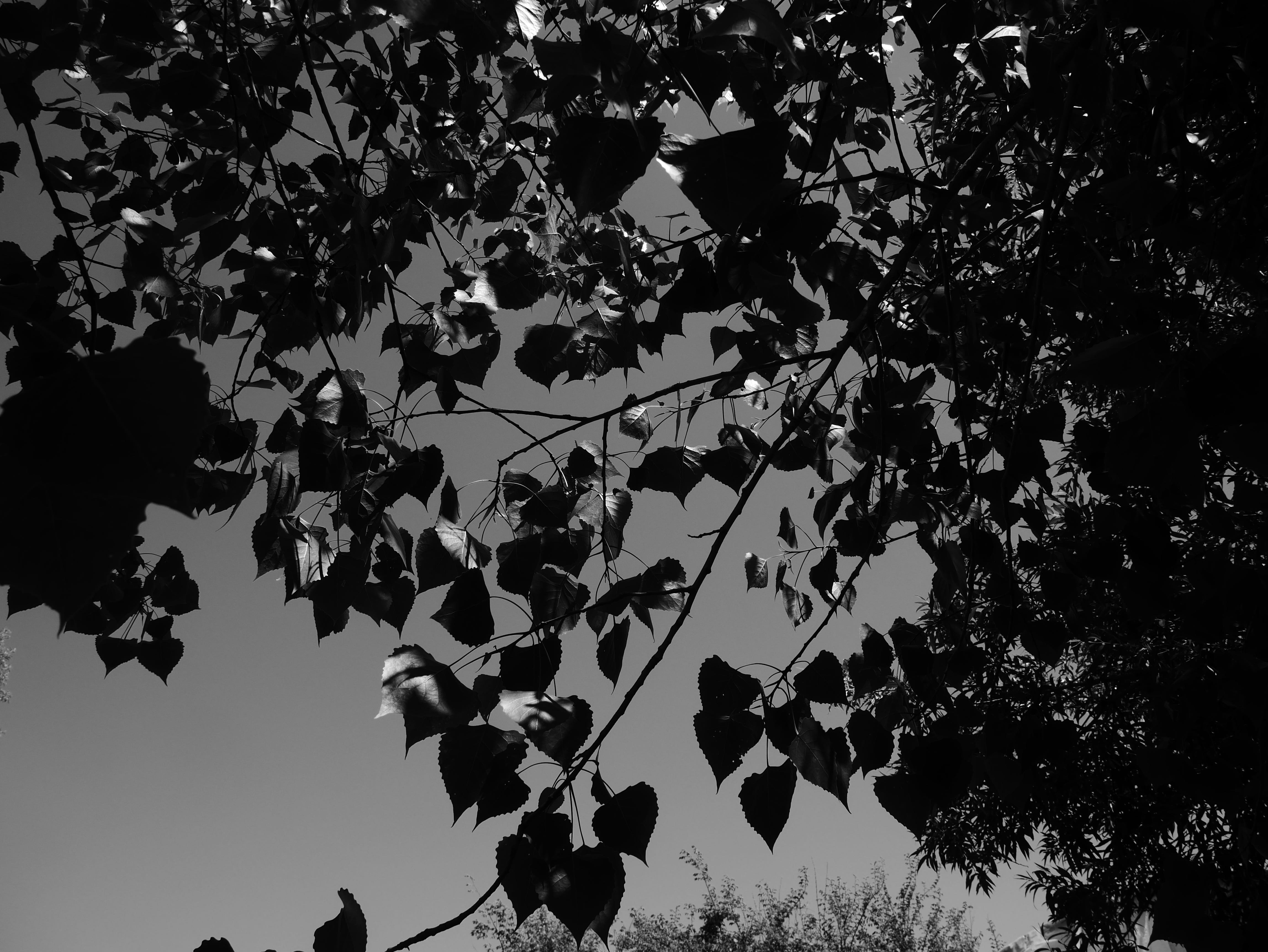
It’s the last clear day to seed the ground before we are swept into another cycle of storms. Standing with my damned feet on the physical ground, surrounded by some unfriendly vegetation with a pair of loppers and a pocketful of purple prairie clover seed, I can hear the distant whine of screeching diesel engines pumping pistons, the soil crackling under treads. But soon enough, the gusts resume among the slapping branches of shimmering cottonwoods, and a house wren is scouting out a nesting nook in an old, dead locust, and a couple ticks have made their way into my belly button, and for a moment, the rumble of total efficiency is drowned out by the sound of sharp wind and living leaves.
The Fox Holler Almanac is a reader-supported publication— I couldn’t do it without you! Share or leave a comment if you liked it. Hell, leave a comment if you didn’t, though I might ignore it. And if you feel moved and able to materially support my work, upgrade your subscription or buy me a coffee.
Thanks, y’all.
Beautiful imagery in this piece.
Beautiful post! As you describe the unfurling leaves springing to life by you, we are experiencing the same thing, one ocean away... Everything outside is blindingly green, and whenever I step out the door, I am overwhelmed by the colors and sounds of nature - as well as the amount of work that needs to be done in the garden!
We haven't had rain for a very long time, and it's almost impossible to weed, however we really have to, since we should start planting things in a matter of weeks.